
Environmental benefits
Each load we process does two things. It keeps treated wood out of landfill, and it gives a kiln fuel made from recycled material.
Why it matters
- More than 90% of ties in North American track are wood.1
- About 20 to 22 million wood ties are replaced each year in the United States and Canada.2
- On Canada's Class I railways, ties are typically in service for 20 to 50 years.3
- Most wood ties are treated with creosote.4
- Railways have few outlets for used ties, and fewer facilities are willing to take them than in past years.3
- In the United States, the Federal Railroad Administration has asked for ways to reuse or repurpose used creosote-treated ties as an alternative to landfill.4
- Railway Tie Association, Why Wood? (opens in a new tab)
- Railway Tie Association, FAQ (used tie recycling in the USA and Canada) (opens in a new tab)
- Railway Association of Canada, letter to Environment and Climate Change Canada on used rail ties (2022) (opens in a new tab)
- Federal Railroad Administration, Request for Information Regarding Uses for Used Creosote-Treated Railroad Ties (2023) (opens in a new tab)
Keeping ties out of landfill
Used ties can be sent to landfill. Alberta's guidance on treated wood asks for reuse or recycling first, with disposal as the last option. Turning ties into fuel gives them that use.
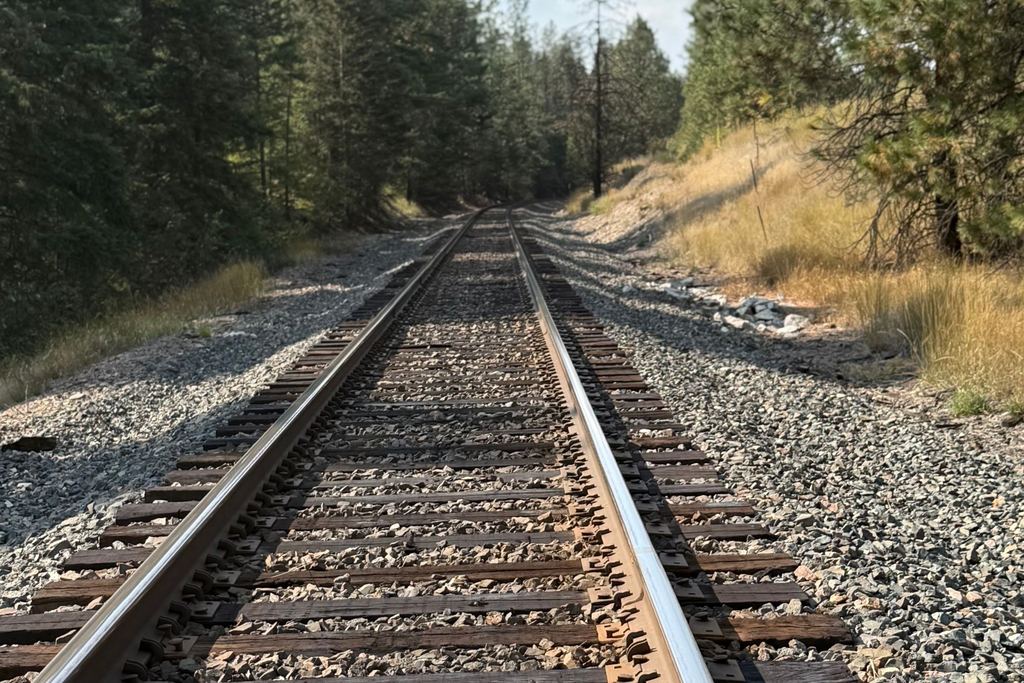
Fuel from recycled wood
Kilns need a steady supply of fuel. Tie fuel gives them a consistent option made from recycled material.
Processing indoors
Our plant is designed as an enclosed building with filtration, ventilation, and dust and fire suppression.
Reporting results
EcoKinetiX is a new company. We'll publish tonnes diverted and other results once real loads are running.